
Fingram 2026-03-07 0
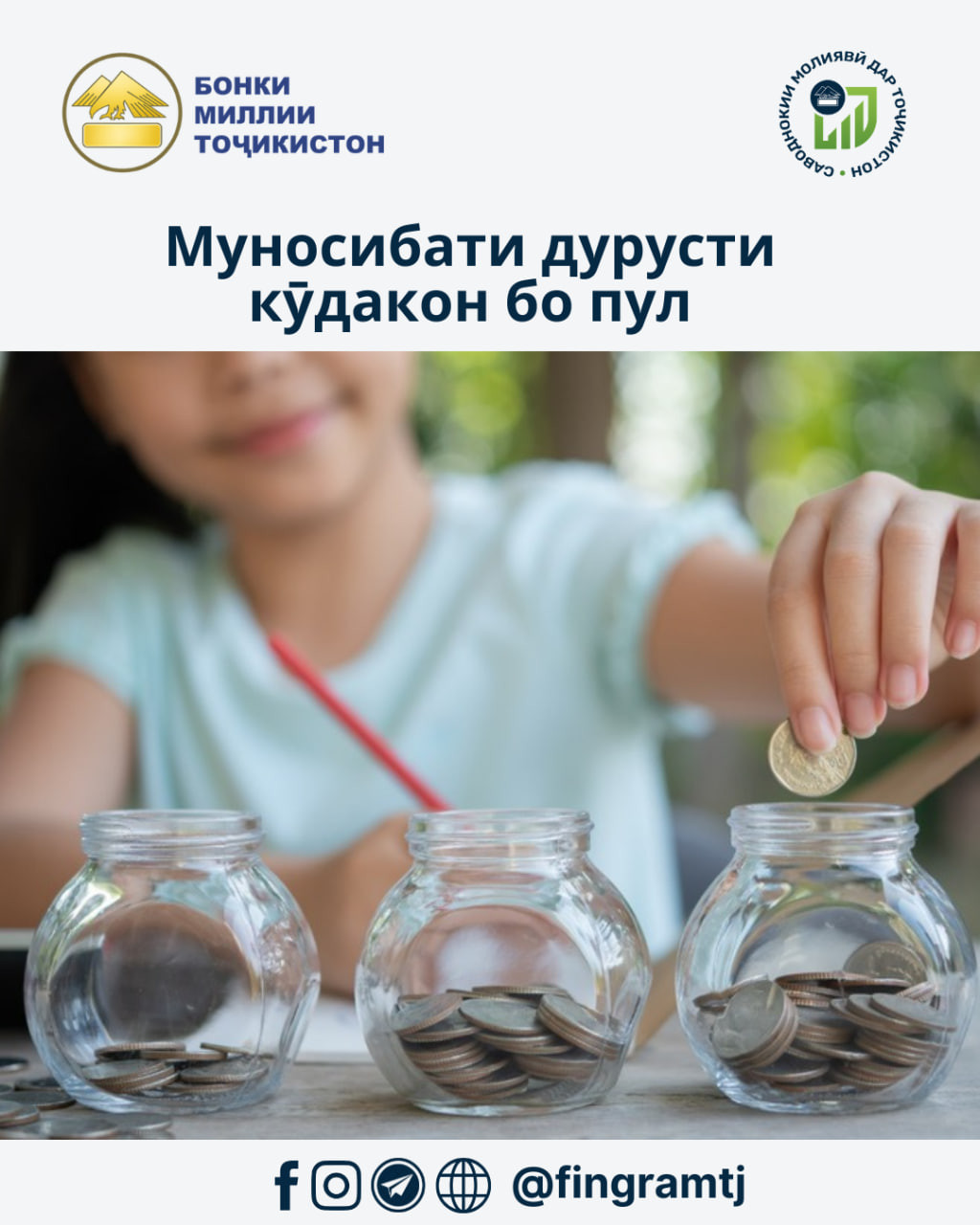
Correct attitude of children towards money
To increase a child’s financial literacy, giving a few textbooks to read is not enough.
The most important thing is to spark interest and develop a correct attitude toward money.
Below are recommendations useful depending on the child’s age:
Where money comes from:
explain how work generates money and show how much one needs to earn to buy a desired toy.
Types of money:
show the difference between coins and banknotes, as well as between currencies of different countries;
discuss what and how much can be bought with this money and how to handle change when shopping.
Concepts of “expensive” and “cheap”:
explain why one item may have different value for different groups of people.
How and why to save money:
discuss the difference between saving money in a piggy bank versus in a bank account.
How to count money:
use play money and real money, as well as counters for practical learning.
For older children, you can discuss:
how banks work;
how to save money properly;
why we pay taxes and how the government uses them.
Pocket money:
In modern times, schoolchildren need money for various expenses. Decide how much and how often you give money to your child. For 16-year-olds, using a bank card is convenient.
Personal example:
Show how you save money, manage salary, and handle the family budget. Share your own financial mistakes and challenges.
Such conversations help develop a child’s financial literacy and a healthy attitude toward money.
Please log in to leave a comment.










All comments