
Fingram 2025-07-24 0
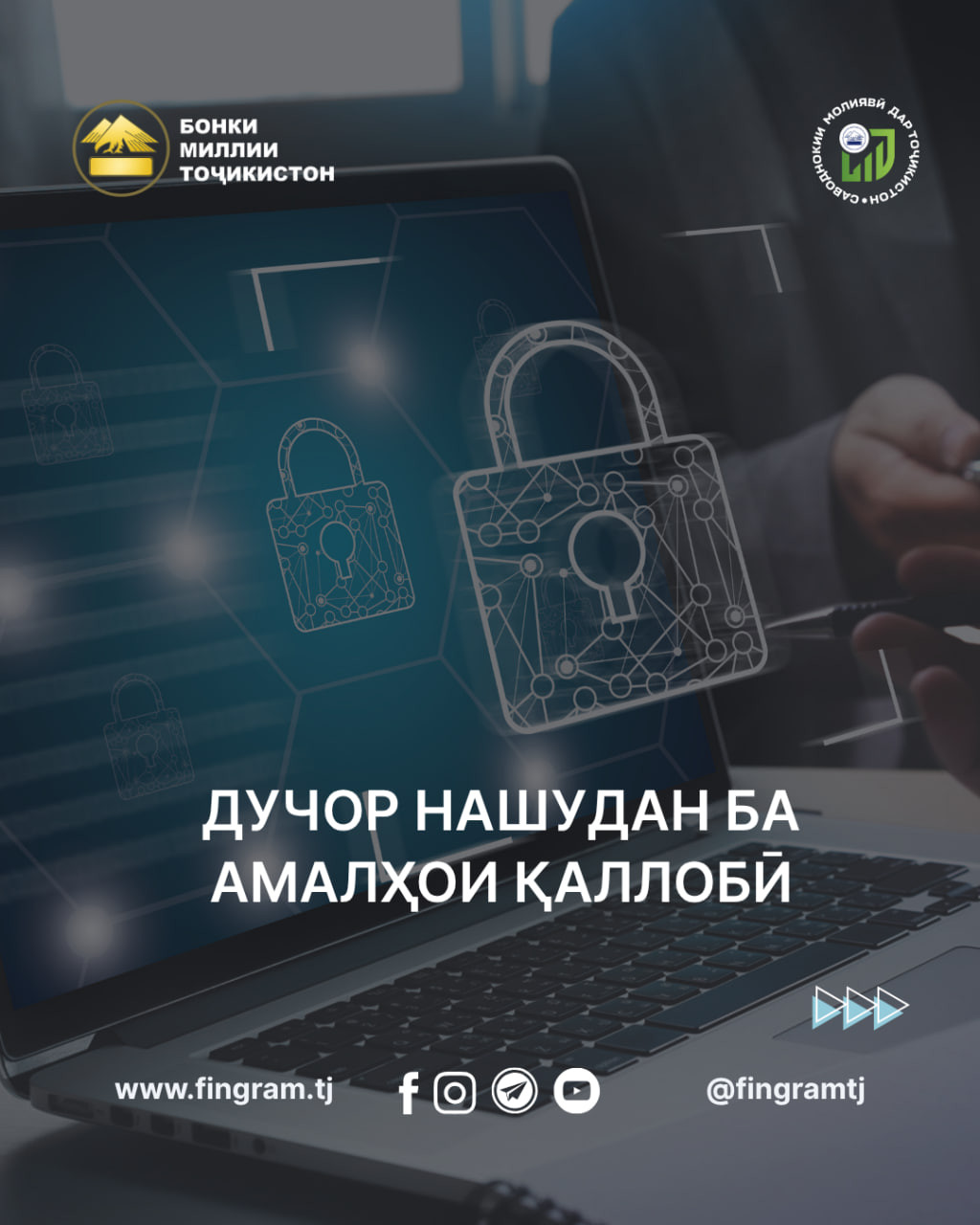
How to avoid falling into fraudulent schemes
In today’s digital world, regardless of age, education, or experience, any of us can fall prey to fraudsters. Scams come in many forms — fake calls, phishing websites, or text messages claiming to be from the bank. To protect your finances, always remember these five golden rules:
1. Never disclose your personal information
Your bank card number, CVV, SMS code, and PIN are strictly confidential. Banks never request this information via phone calls, text messages, or messengers. If someone asks for it under the pretense of a "suspicious transaction" or "card blocking," it is most likely a scam.
2. Do not respond to suspicious calls or messages
Fraudsters can spoof a bank's number and introduce themselves as “specialists” or “security officers.” They will pressure you to provide information. Hang up immediately and call your bank using its official number to verify the issue.
3. Avoid clicking on unknown links
Social media and messaging apps are filled with fake links — “you've won,” “click here for a bonus,” or “update your app.” Clicking them may give fraudsters access to your phone or personal data. Never open suspicious links.
4. Use only official websites and apps
When paying for goods and services online, trust only official sources. Before entering your card details, ensure you are on the correct site (e.g., bank.tj vs. b4nk.tj). Always check the web address in your browser — if anything seems suspicious, don’t proceed with the payment.
5. Stay informed and educate others
Scammers often target those with limited financial knowledge. Make sure your relatives also know these rules. If something seems suspicious, consult your bank or law enforcement — not strangers.
Please log in to leave a comment.











All comments